Framed – A Noir Stop-Motion Allegory About Control, Identity, and the Puppet Condition
In Framed (2017), director Marco Jemolo delivers a stark, noir-inspired stop-motion short that uses the physical language of clay animation to confront one of animation’s most uncomfortable truths: to be animated is to be controlled.
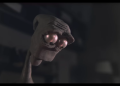
The seven-minute Italian short opens in a shadowy interrogation room. A clay figure sits across from unseen questioners, recounting his experience of being manipulated by invisible forces. What unfolds is not a conventional crime story, but a philosophical confession — one that slowly reveals itself as a metaphor for social systems, surveillance, and the quiet violence of conformity.
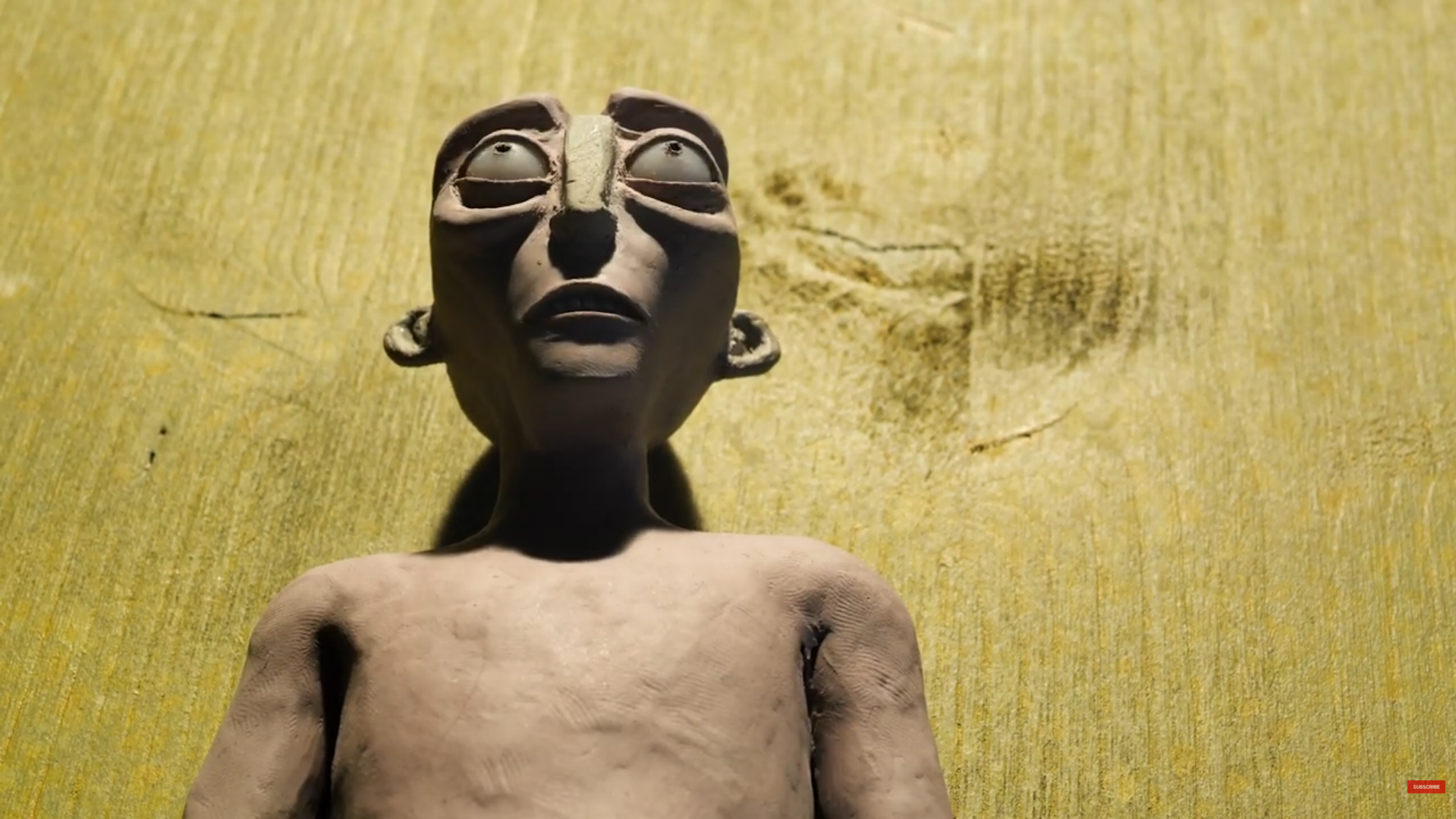
From the outset, Framed establishes a tone steeped in paranoia and unease. Low-key lighting, heavy shadows, and claustrophobic framing recall classic film noir, while the materiality of the puppets grounds the film in something undeniably tactile. Fingerprints, seams, and surface imperfections are left visible, reinforcing the idea that this character is not just figuratively shaped by external pressures, but literally molded by them.
Jemolo’s choice of stop motion is essential rather than decorative. The medium becomes the message. Watching a puppet describe his lack of agency while knowing he is physically repositioned frame by frame creates a powerful meta-commentary on free will. The character’s awareness of his own manipulation mirrors the human experience of existing within invisible systems — political, economic, or cultural — that dictate behavior while remaining largely unseen.
The film’s restrained animation style favors subtle movements over spectacle. Shot at approximately twelve frames per second, Framed avoids polish in favor of presence. The puppets move with a slight stiffness that feels intentional, even necessary, as if fluidity would undermine the story’s emotional weight. This deliberate pacing allows tension to build slowly, giving the audience time to sit with the discomfort of what is being revealed.
Sound design plays a crucial role in sustaining the illusion. The voices feel grounded and intimate, as if recorded for a live-action interrogation drama. This realism heightens the contrast between the character’s fragile clay body and the seriousness of his testimony, blurring the boundary between metaphor and lived experience.
Despite its short runtime, Framed resists easy interpretation. Is the protagonist a victim of authoritarian power? A stand-in for the modern worker? Or a representation of the animated character itself — aware, but unable to escape the frame? Jemolo offers no definitive answers, instead trusting the audience to project their own anxieties onto the narrative. The result is a film that lingers long after it ends, inviting repeated viewings and discussion.
The short has earned significant recognition on the international festival circuit, receiving awards for Best Animated Short at multiple festivals and being selected by curators such as Short of the Week. Its success speaks not only to its craftsmanship, but to its relevance. In an era increasingly defined by surveillance, algorithmic control, and social pressure, Framed feels uncomfortably timely.
Ultimately, Framed is a reminder of what stop motion can achieve when its physical constraints are embraced rather than hidden. By leaning into the inherent vulnerability of puppets and the labor behind their movement, Jemolo transforms a simple clay figure into a deeply human presence — one trapped, observed, and painfully aware of the hands that shape him.




Sources
-
Framed — Short of the Week
https://www.shortoftheweek.com/2020/05/27/framed/ -
Stash Media — Framed Stop Motion Short by Marco Jemolo
https://www.stashmedia.tv/framed-stop-motion-short-marco-jemolo/ -
Insolita Film — Framed official page
https://www.insolitafilm.com/en/framed/ -
IMDb — Framed (2017)
https://www.imdb.com/title/tt6073000/