Harry Cloud’s Lost Acres: A Surreal Stop-Motion Odyssey by Tawd B. Dorenfeld
“Very artsy, very edgy, very weird…” — that’s precisely the vibe this film embraces, and it does so with conviction.
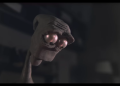
From the very first frame, Lost Acres sets a tone of other-worldliness. Using found objects, handcrafted sculptures, and stop-motion movement, Tawd B. Dorenfeld conjures a world that feels both tactile and dream-like. The texture of the materials — twisting wires, de-wired dolls, oddbits of plastic and fabric — becomes part of the emotional language. You feel the scratch of the material, the weight of the debris-memory, and the tension between the familiar and the uncanny.
Harry Cloud’s album serves not just as background music but as co-narrator. Each of the 13 songs (as noted in the promotion) becomes an episode in the film’s journey. The camera lingers on characters in flux — identities overlapping, objects morphing, meaning dissolving and reforming. There’s a nostalgic ache (“relations, nostalgia, and recyclables of one’s self” as IMDB puts it) IMDb, but also a bold willingness to shock, to let weirdness reign.
In part one, pure stop-motion rules: jerky, playful, at times lovingly grotesque. Then in part two, the mix with AI imagery broadens the horizons — images that might have been impossible with physical puppets alone now bleed into painted-or-generated shapes, intensifying the psychedelic effect.
For some, the film will be disturbing: limbs melting, faces doubling, reality rending at the seams. And yes, that’s the point: it isn’t comfort cinema. But for those attracted to “outside the norm aesthetic”, it’s a feast. It’s the kind of film you watch not just to follow a story, but to feel the art — to be drawn into a collage of visual metaphors and sonic waves.
Here are some standout strengths:
-
Originality of material: The found-objects + custom pieces give a handcrafted authenticity rarely seen in feature-length stop-motion.
-
Integration of sound & image: Harry Cloud’s album is not an afterthought; the film listens to the music and lets the scenes breathe with the songs.
-
Fearless weirdness: The film does not apologize for its strangeness. It leans into it and invites the viewer to lean in too.
-
Duality of technique: The transition into stop-motion + AI in part two expands the visual vocabulary, making it richer and more dynamic.
If I were to note something for viewers to prepare for: this is not a linear mainstream narrative. Expect fragmentation, symbolism over explanation, moods over plot. But for the right audience — especially fans of experimental animation, surreal art, and audacious craft — this is a gem.
In short: Lost Acres is a bold, imaginative, and richly textured work. Tawd B. Dorenfeld has carved out a style that feels deeply personal and visibly distinct; Harry Cloud has provided an auditory landscape that elevates the visuals rather than merely accompanying them. Together they’ve created something that, yes, might unsettle—but will also enchant, provoke, and linger in memory. If you’re up for a trip into the weird and wonderful, this film is well worth the ride.