La vieja y el cuervo (The Old Hag and the Crow): A Dark Folk Tale in Stop Motion
La vieja y el cuervo (The Old Hag and the Crow) is a haunting stop-motion short by Mexican filmmaker Lucía Bayardo that draws on folkloric imagery, childhood curiosity, and quiet horror to create an unsettling yet poetic animated experience. Told with a restrained hand and a strong sense of atmosphere, the film leans into the tactile power of stop motion to evoke a world where myth and reality blur together.
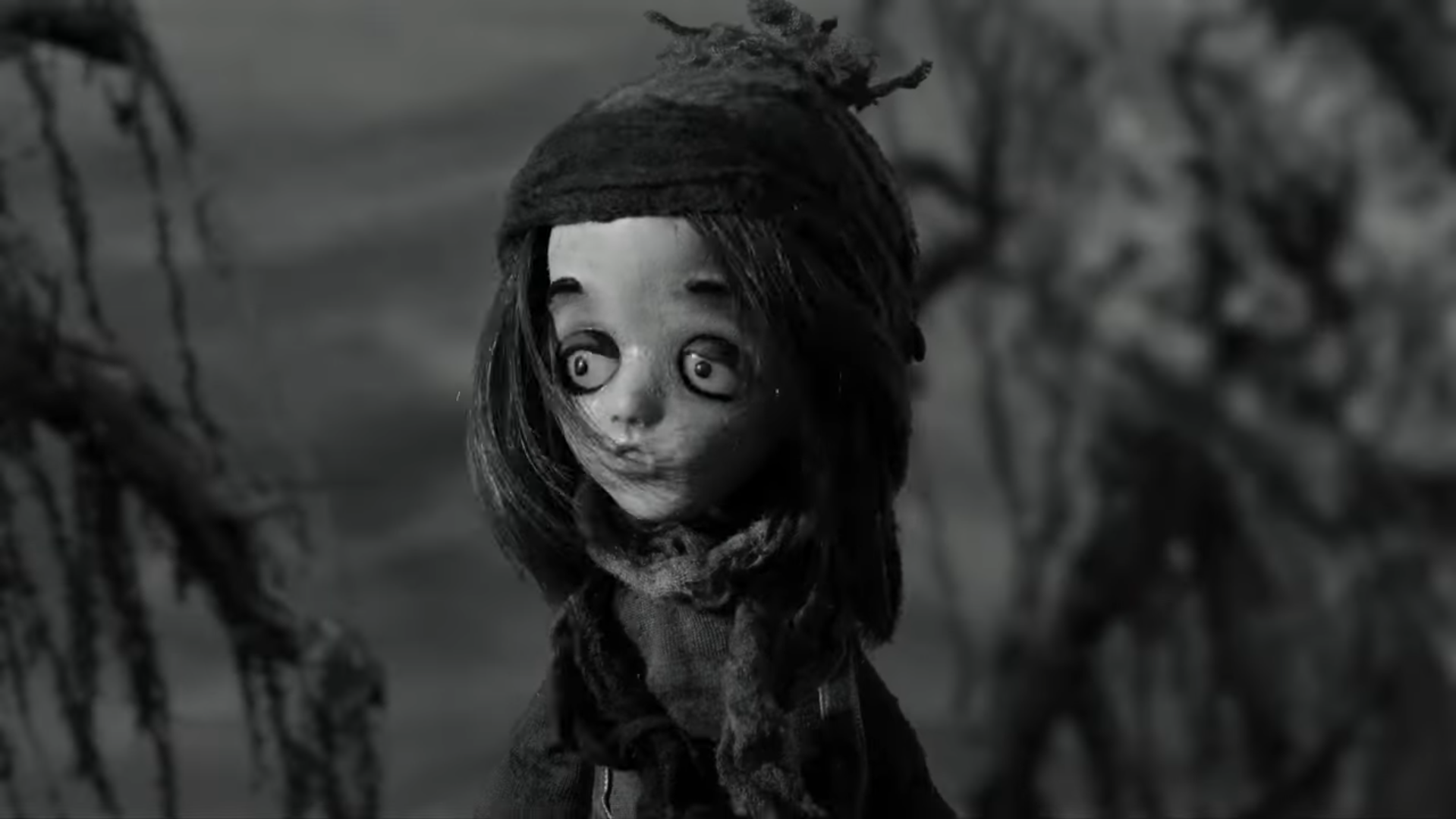
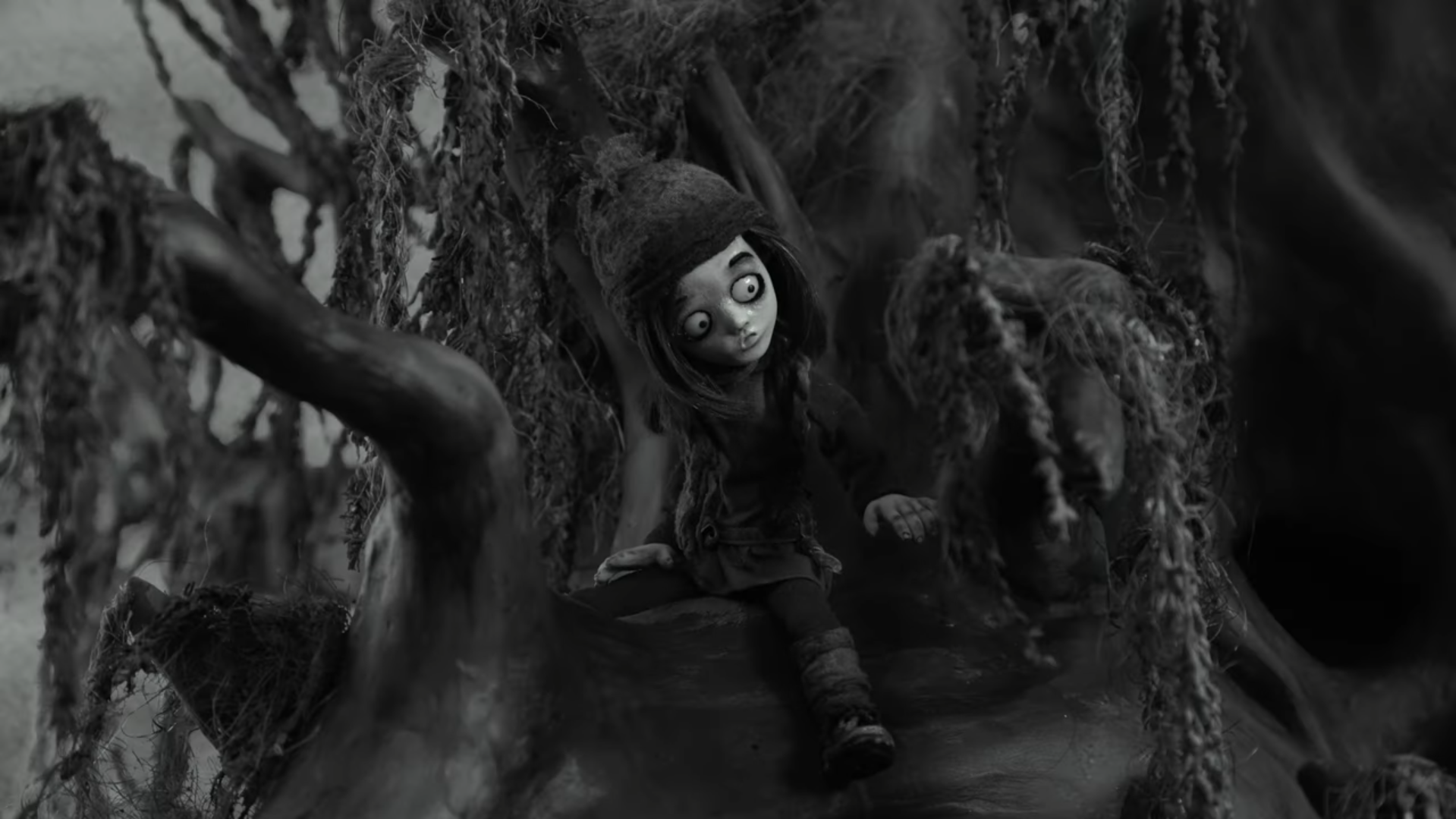
The story follows Larisa, a young girl who, while playing with friends, climbs into the branches of a dead tree near her home. From her hidden vantage point, she observes an isolated house where an elderly woman lives alone. A crow arrives at the house carrying something mysterious, delivering it to the old hag through a ritualistic exchange that immediately raises questions. What begins as distant observation soon turns into obsession, and Larisa’s curiosity ultimately leads her across a threshold she may not be prepared to cross.
Bayardo’s film thrives on suggestion rather than exposition. Dialogue is sparse, and meaning is conveyed through gesture, pacing, and carefully composed imagery. The crow itself functions as more than an animal—it becomes a symbolic messenger, a familiar, or perhaps an omen. The old hag, meanwhile, is never fully explained, allowing the viewer’s imagination to fill in the gaps. This ambiguity gives the film its folkloric weight, echoing oral traditions where stories are passed down incomplete, altered, and shaped by fear.
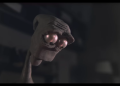
Visually, La vieja y el cuervo embraces the tactile qualities that make stop motion such a powerful medium for horror-adjacent storytelling. The puppets and environments feel deliberately handmade, with textures that emphasize age, decay, and fragility. Shadows play an important role, often obscuring more than they reveal, while the muted color palette reinforces the film’s somber tone. The influence of fairy-tale horror is unmistakable, but Bayardo avoids imitation, allowing the film to stand firmly in its own aesthetic space.
Sound design and music further deepen the film’s atmosphere. The score, composed by Andrés Haro, complements the visuals without overwhelming them, enhancing moments of tension and stillness alike. Silence is used just as effectively as sound, creating a rhythm that mirrors Larisa’s cautious exploration and growing unease.
La vieja y el cuervo has screened at multiple festivals, including the Guadalajara International Film Festival, and has received recognition on the international genre and animation circuit. It has also earned awards for animated storytelling, marking it as a notable debut for Bayardo, who comes from a background in storytelling and marionette theater. That theatrical sensibility is evident throughout the film, particularly in its controlled performances and attention to physical presence.
At just a few minutes in length, La vieja y el cuervo demonstrates how stop motion can convey depth, dread, and emotional resonance without excess. It’s a reminder that horror does not need spectacle to be effective—sometimes all it takes is a crow, a curious child, and a door left slightly ajar.



Sources
-
YouTube – La vieja y el cuervo (official upload):
https://www.youtube.com/watch?v=-qrbA6vtMy4 -
StopTrik Festival – Film information and synopsis:
https://www.stoptrik.com/2023competition/the-old-hag-and-the-crow -
IMDb – La vieja y el cuervo:
https://www.imdb.com/title/tt27108039/ -
FilmAffinity – The Old Hag and the Crow:
https://www.filmaffinity.com/en/film725053.html -
Letterboxd – The Old Hag and the Crow:
https://letterboxd.com/film/the-old-hag-the-crow/