The Bones: A Haunting Stop-Motion Excavation from Cristóbal León & Joaquín Cociña, Executive Produced by Ari Aster
Emerging from the international festival circuit with immediate impact, The Bones (Los Huesos, 2021) stands as one of the most unsettling and artistically daring stop-motion short films of recent years. Directed by Chilean filmmakers Cristóbal León and Joaquín Cociña, and executive produced by Ari Aster, the film uses handcrafted animation to build a chilling cinematic artifact—one that intentionally blurs the lines between historical record, political allegory, and silent-era horror cinema.
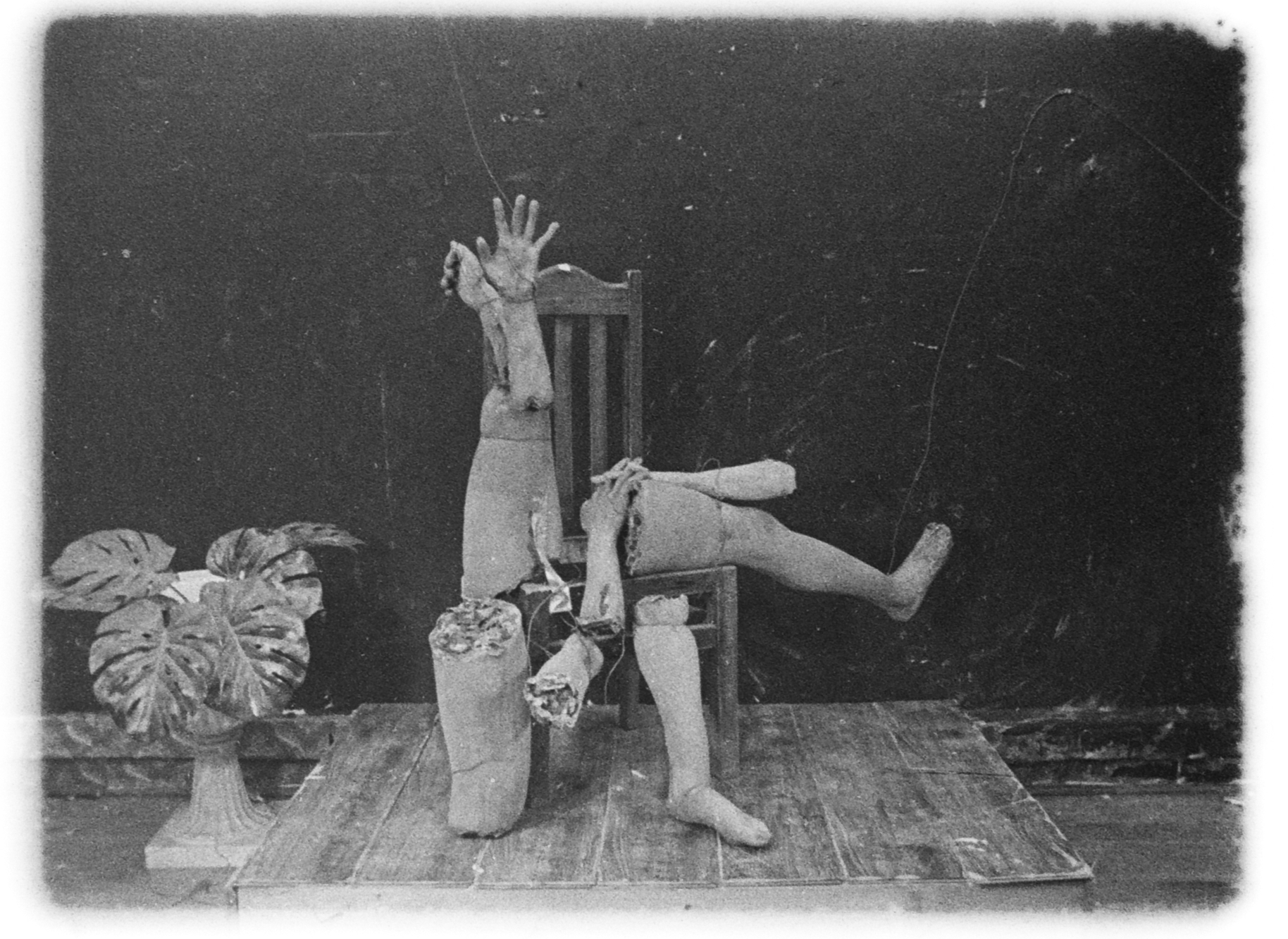
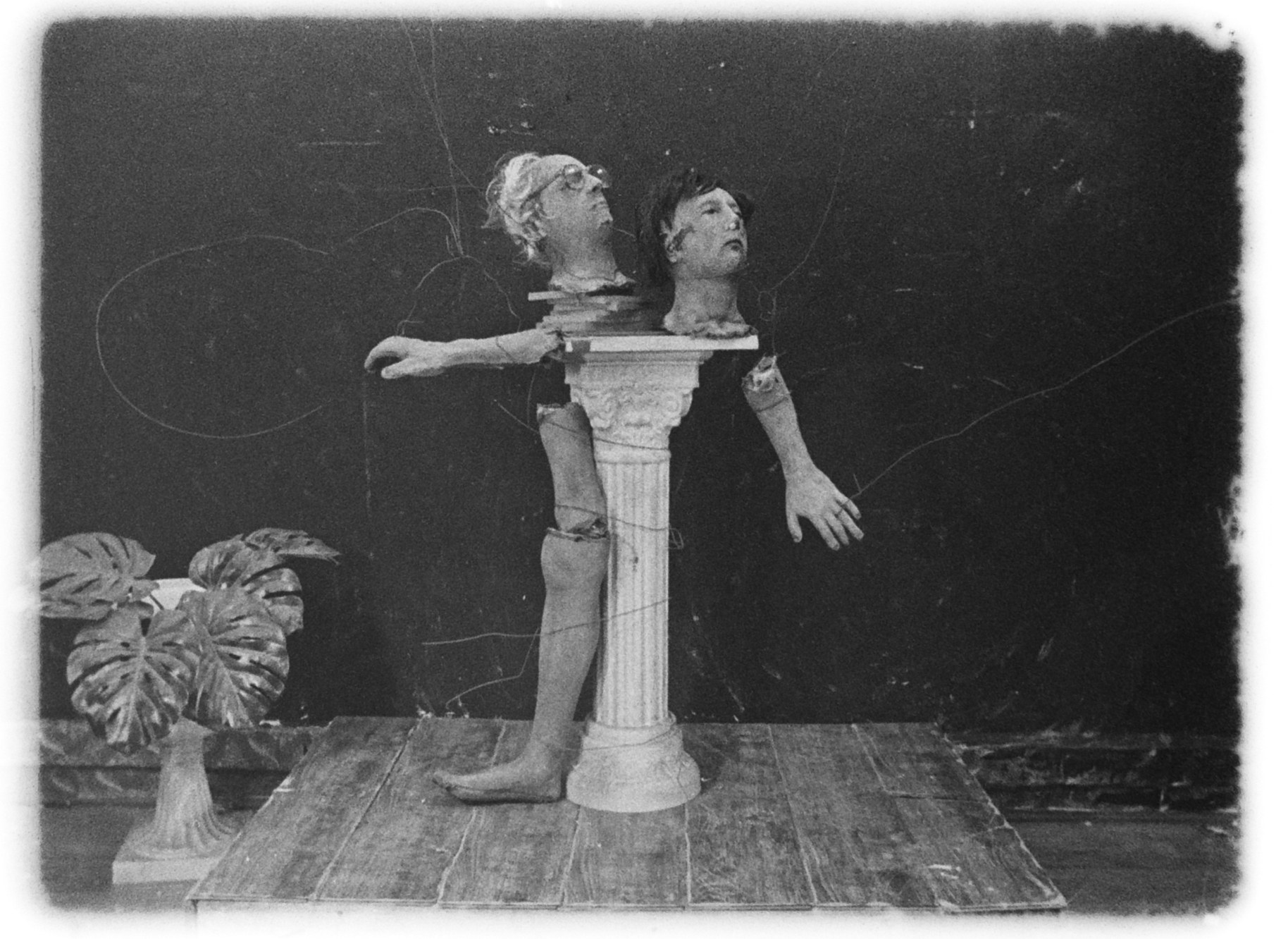
Presented as a recently “unearthed” film supposedly created in 1901, The Bones adopts the visual language of early motion pictures: flickering black-and-white imagery, theatrical staging, and a deliberately aged aesthetic that suggests the work of pioneers from cinema’s earliest decades. This fictitious framing is at the heart of the film’s power. By presenting the short as a piece of lost archival media, León and Cociña expand the narrative beyond what is seen on screen, inviting the viewer to experience a ghostly fragment of history that feels both ancient and alarmingly contemporary.
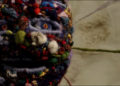
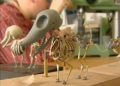
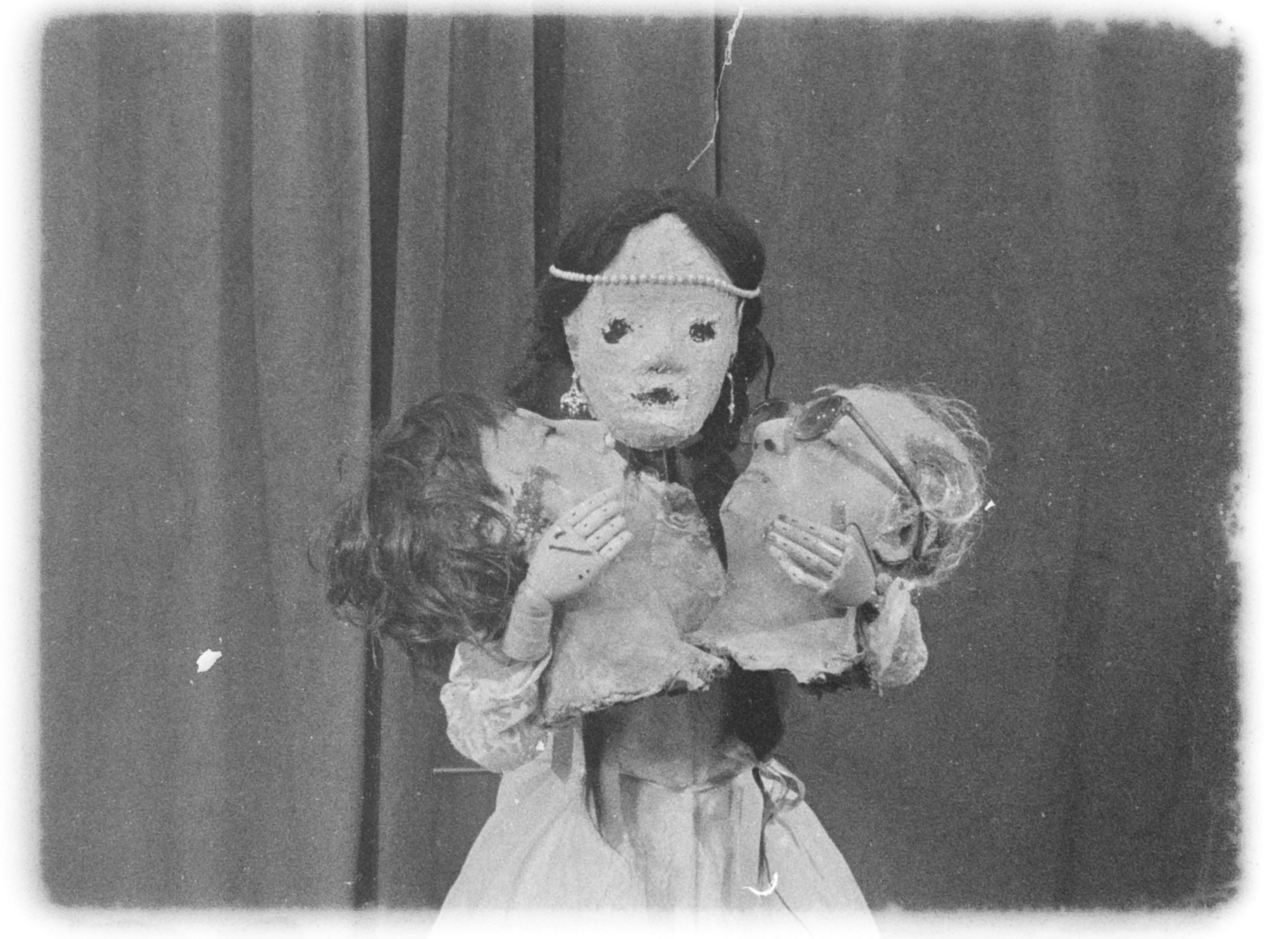
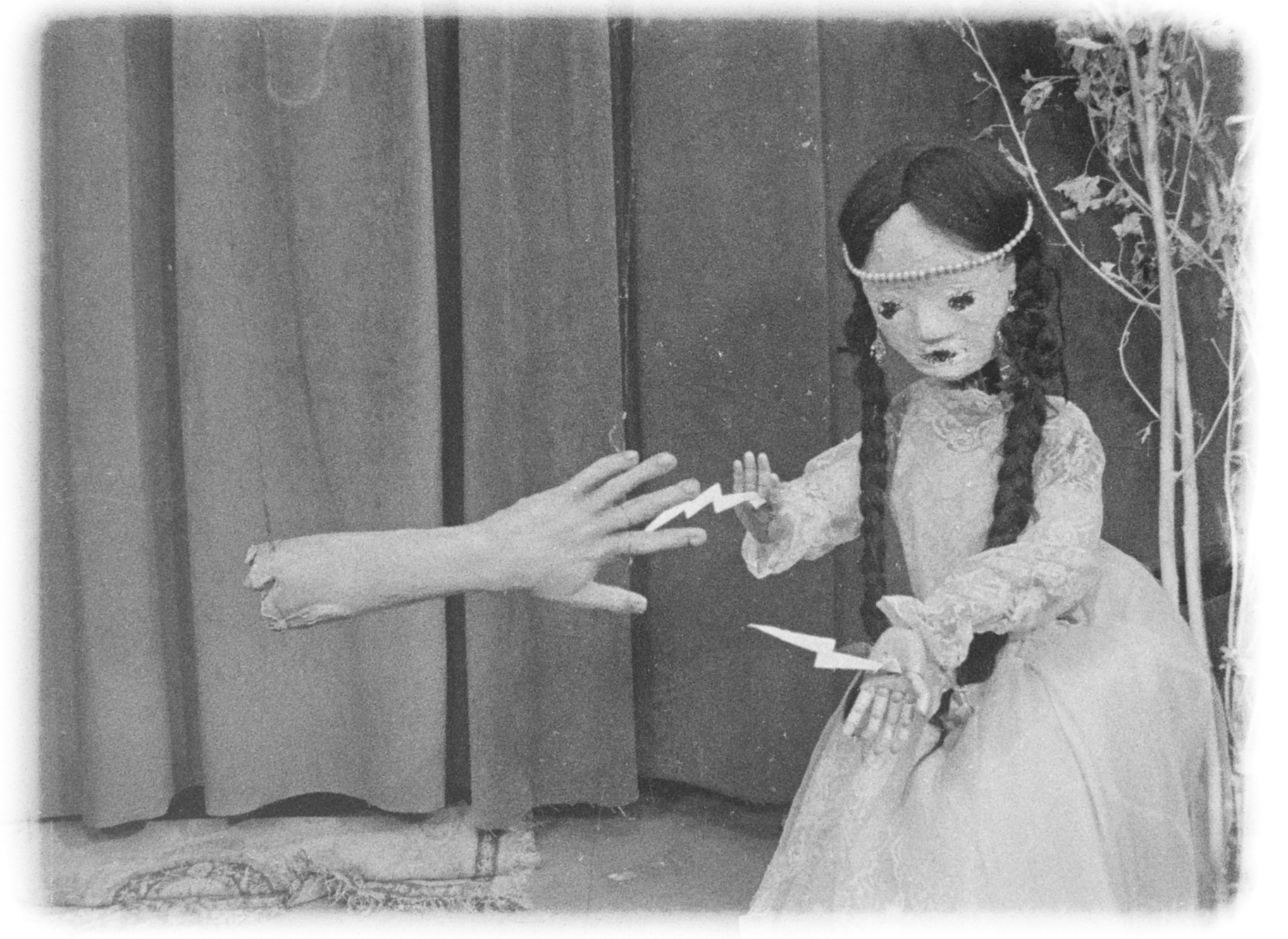
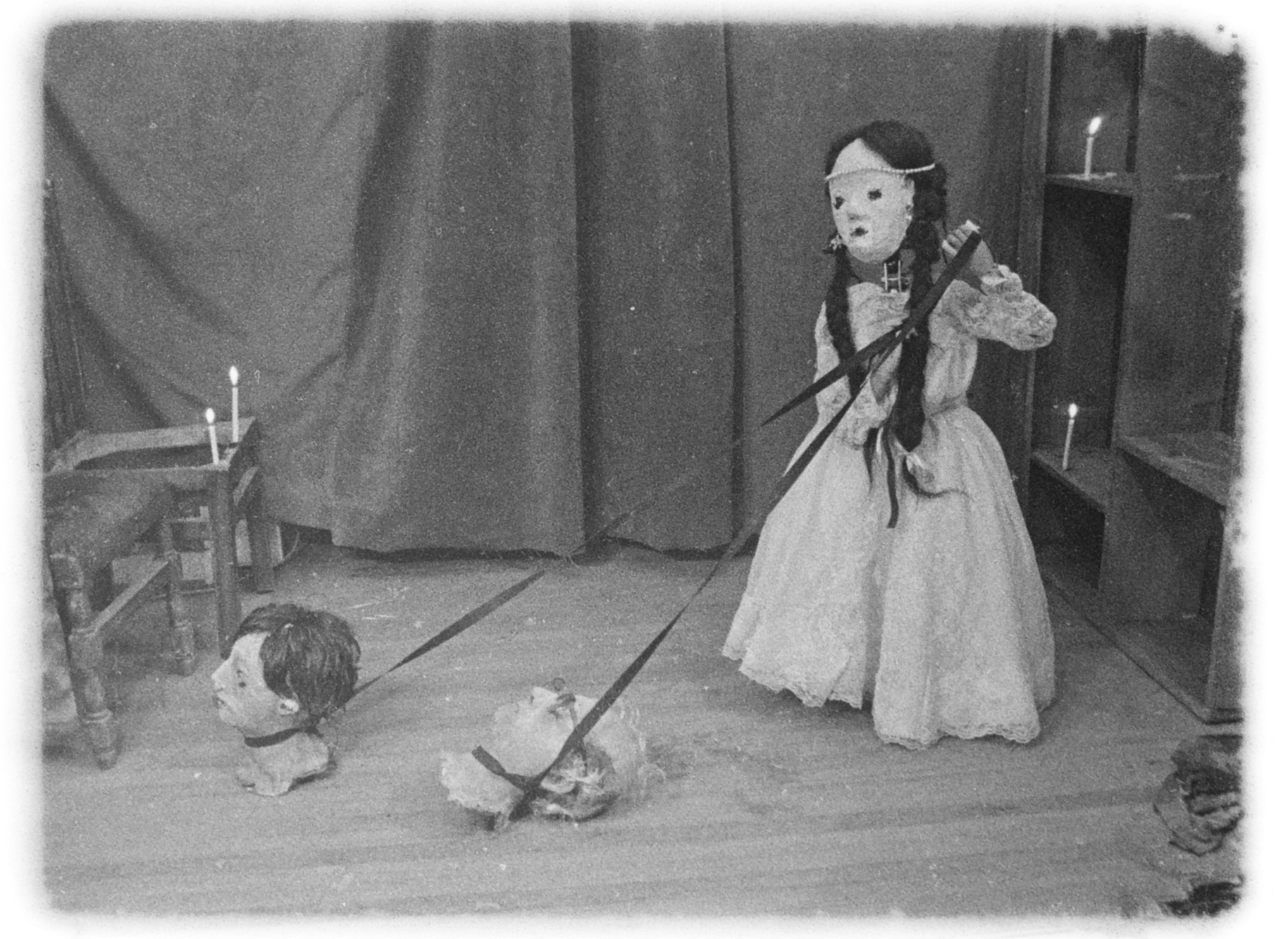
The story centers on a young girl who performs a ritual using human remains, summoning and manipulating the corporeal forms of two real Chilean political figures associated with the nation’s oligarchic past. Through grotesque reanimation and symbolic dissection, the film reflects on the persistent structures of power that shaped Chilean society in the early 20th century—structures that arguably echo into the present day. Though the film is only around fourteen minutes long, it is dense with metaphor and historical tension, requiring no spoken dialogue to communicate its themes. The bone-white puppets, crumbling sets, and stark lighting convey a sense of political unease as forcefully as any speech could.
León and Cociña have long worked at the crossroads of sculpture, installation art, and stop-motion animation, and The Bones continues the experimental trajectory established by their acclaimed feature The Wolf House (La casa lobo). Their tactile, shifting environments and painterly transformations are unmistakable. In The Bones, they turn these techniques toward a more archival and ritualistic aesthetic, crafting a film that feels deliberately handmade yet hauntingly timeless.
Ari Aster’s involvement as executive producer has drawn significant attention from the international horror community, though the film is unmistakably the vision of its directors. Aster’s support helped elevate the short to global audiences, but the filmmaking style remains fully in line with León and Cociña’s body of work: symbolic, experimental, politically charged, and deeply rooted in the history of Chilean art and storytelling.
The film premiered at the 78th Venice International Film Festival, where it won the Best Short Film Award in the Orizzonti section, solidifying its reputation as a standout work of contemporary animation. It later screened widely at festivals and became available on curated streaming platforms, where it has continued to garner attention for its bold imagery and uncompromising tone.
While The Bones may challenge viewers with its macabre visuals and references to Chilean political history, it also demonstrates the extraordinary expressive power of stop-motion as a medium. It is a reminder that animation can be visceral, confrontational, and artistically fearless—particularly when placed in the hands of filmmakers unafraid to explore the darker corridors of culture and memory.
Sources
-
https://variety.com/2021/film/global/ari-aster-the-bones-leon-cocina-1235013204/
-
https://www.firstshowing.net/2021/new-trailer-for-stop-motion-horror-short-the-bones-or-los-huesos/
-
https://www.irishfilmcritic.com/movie-review-directors-cristobal-leon-joaquin-cocina-the-bones/
-
https://www.zippyframes.com/festivals/los-huesos-wins-venezia-2021