PART 1
The Man in the Lower-Left Hand Corner of the Photograph: A Tactile Descent into Memory and Obsession
There is a particular strain of stop motion that doesn’t aim to comfort or entertain in a conventional sense—it unsettles, lingers, and quietly crawls under the skin. The Man in the Lower-Left Hand Corner of the Photograph, an early stop-motion short by British filmmaker Robert Morgan, belongs firmly in that tradition. First appearing online in 2009 in two parts—split due to YouTube’s early upload limits—the film remains a striking example of handcrafted animation that values atmosphere, texture, and psychological weight over narrative clarity.
At its core, the film follows an isolated, aging man consumed by a single image: a photograph of himself from an earlier time. What begins as a melancholic fixation slowly spirals into obsession. Morgan resists exposition entirely—there is no dialogue, no explicit explanation—forcing the viewer to piece together meaning through movement, framing, and sound. This deliberate ambiguity is one of the film’s greatest strengths, allowing the emotional experience to take precedence over plot mechanics.
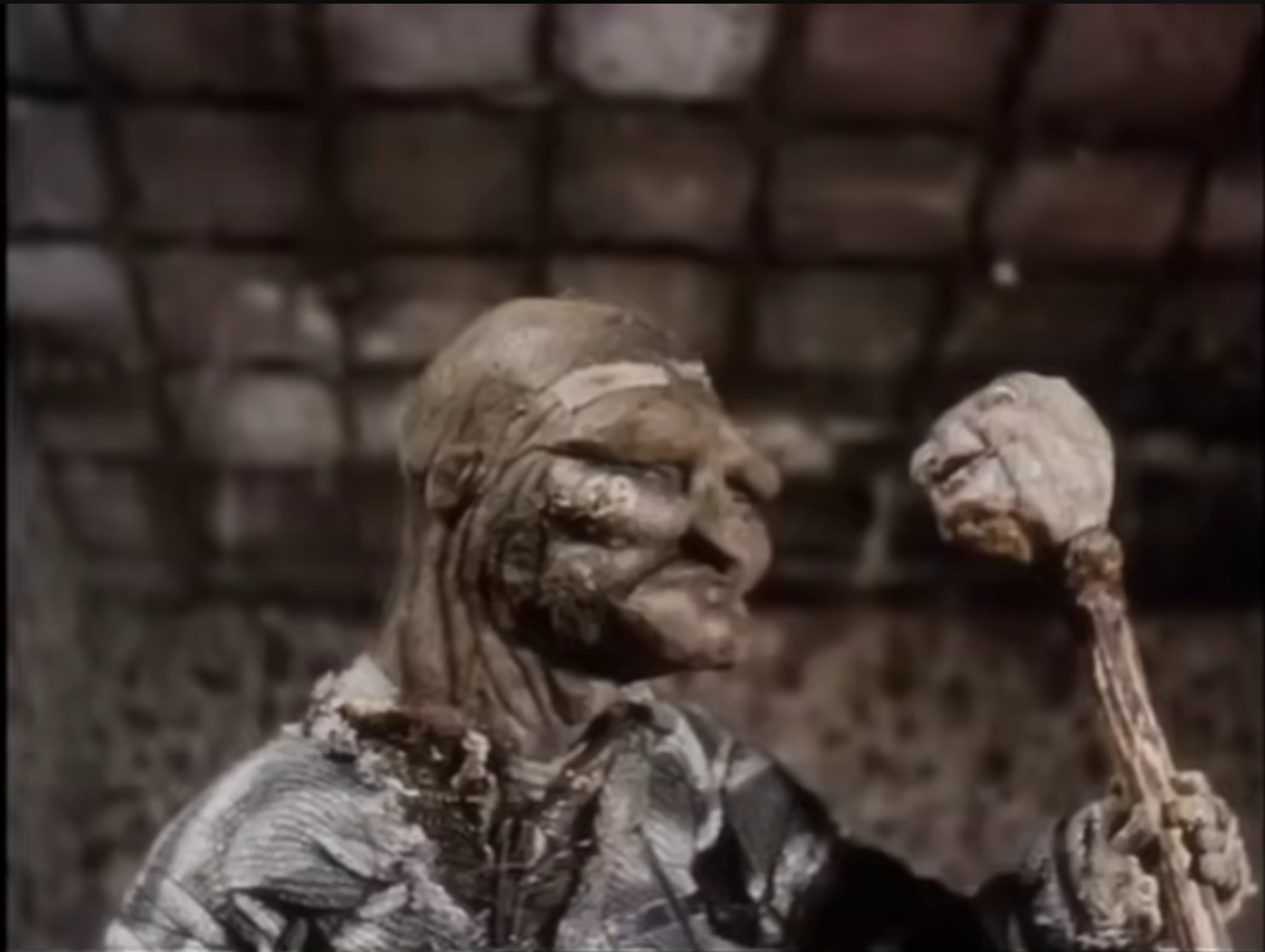
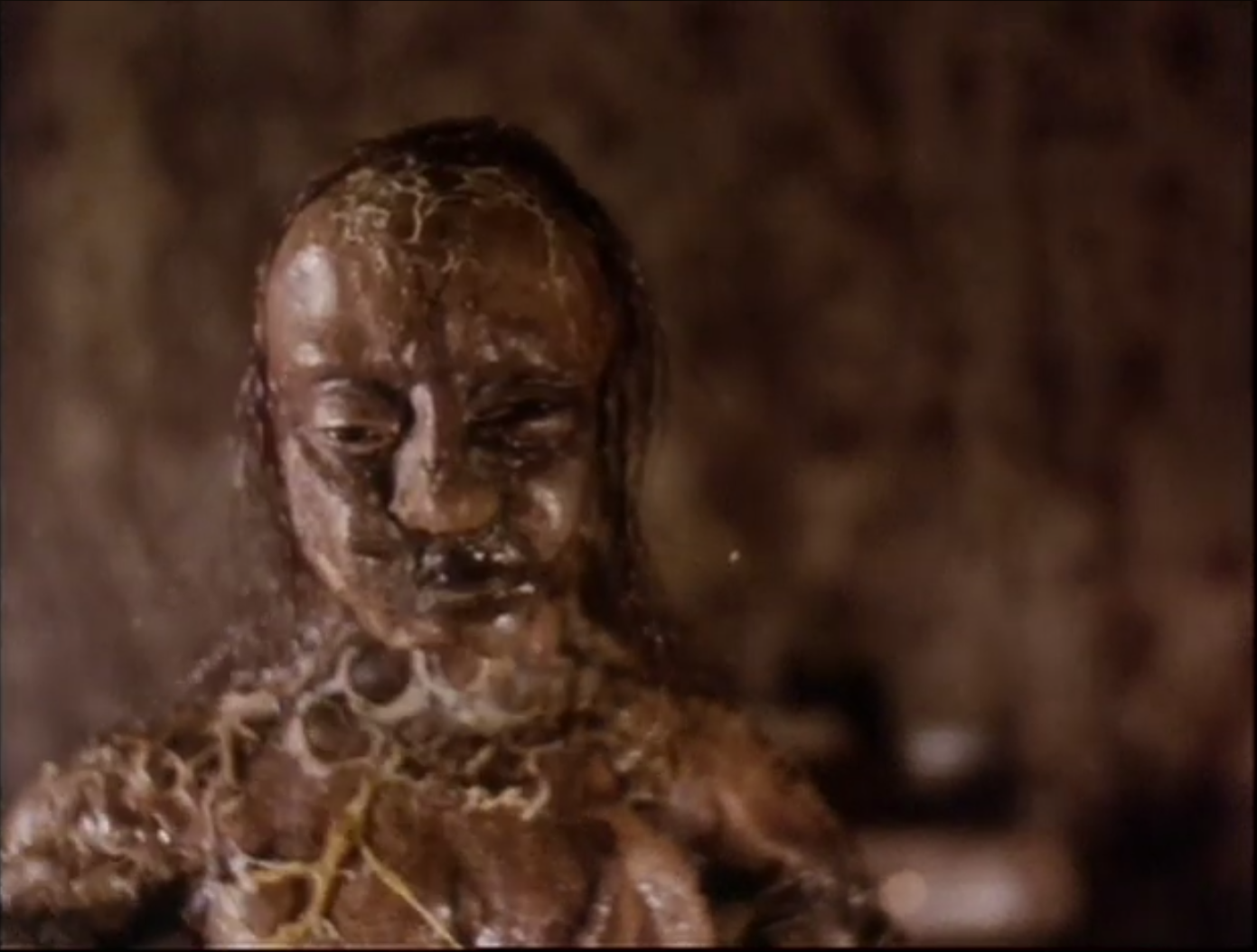
Visually, the short immediately recalls the early Tool music videos—Sober and Prison Sex in particular. The resemblance is not superficial. Like those videos, Morgan’s film embraces a grimy, analog tactility: cracked surfaces, worn materials, and figures that feel sculpted from decay itself. Every frame looks physically handled, as though fingerprints were intentionally left behind. This is stop motion that wants you to feel the materials as much as see them.
Part 2
The production design is aggressively tactile, leaning into a grungy aesthetic that elevates the film beyond simple creepiness. The sets feel claustrophobic and lived-in, soaked in years of neglect. Characters move with an uncanny stiffness that reinforces their emotional paralysis. Rather than smoothing out imperfections, Morgan allows rough edges, jitter, and asymmetry to remain visible, turning technical “flaws” into expressive tools.
What makes the film especially compelling is its ability to hover between beauty and grotesque, never fully committing to either. There is something undeniably repellent in its imagery, yet it is presented with such care and composition that it becomes hypnotic. This balance gives the film a psychedelic undertone, where reality feels warped not by fantasy but by obsession and memory. Time seems elastic, and space feels unreliable—perfectly mirroring the protagonist’s mental state.
Sound design plays an equally important role. Sparse and unsettling, it amplifies the film’s haunting aura without overwhelming it. The absence of dialogue heightens the sense of isolation and allows every creak, scrape, and ambient tone to take on narrative significance. Silence becomes just as meaningful as sound, pulling the viewer deeper into the character’s deteriorating inner world.
While The Man in the Lower-Left Hand Corner of the Photograph predates Robert Morgan’s more widely recognized works like The Cat With Hands and Bobby Yeah, it already showcases the filmmaker’s distinctive voice. The themes of bodily decay, psychological fixation, and uneasy introspection are all present here in raw form. It feels less like a polished statement and more like an unfiltered transmission straight from the subconscious.
More than fifteen years later, the film still resonates—perhaps even more strongly in an era where digital smoothness often replaces physical imperfection. Morgan’s short stands as a reminder of stop motion’s unique power: its ability to make emotion tangible, to turn texture into storytelling, and to transform discomfort into something strangely beautiful.
For viewers drawn to the darker edges of animation—where art, horror, and experimental cinema intersect—The Man in the Lower-Left Hand Corner of the Photograph remains a haunting and essential watch.