Fantoche 2025: Stop-Motion, Work Culture, and the Future of Animation
Baden, Switzerland – September 2, 2025 — When the 23rd edition of the Fantoche International Animation Film Festival opened its doors this week, the mood was equal parts celebratory and contemplative. With Estonia as guest country, an official Oscar-qualifying status now in place, and a central theme of “9 to 5,” the festival signaled that animation is as much about our working lives as it is about our dreams.
The opening ceremony set the tone. Comedian Julia Steiner, dressed as Dolly Parton, belted out the hit song “9 to 5” to an audience of more than 300 cultural and political guests, with rock musician Stoph Bjornson providing backup and a sign language interpreter ensuring inclusivity. On stage, speakers from politics and culture echoed the importance of balance, fairness, and sustainability in creative labor — from Baden City Councillor Steffi Kessler’s call for cultural resilience, to Federal Councillor Elisabeth Baume-Schneider’s declaration that “Fantoche is the place to be if you want to talk about animated films.”
Festival director Ivana Kvesić struck a more sobering note, reminding the audience that cultural workers in Switzerland often face underpayment and instability: “Good working conditions and secure jobs in the cultural sector don’t just need good ideas – they need stability, long-term budgets and political support.” It was a fitting introduction to a festival built on stories of resilience, transformation, and imagination.

Animation at the Forefront
Fantoche has become a reliable platform for stop-motion, and this year is no exception. Swiss animator Marcel Barelli premieres Mary Anning, a playful yet informative look at the childhood of the pioneering paleontologist. Meanwhile, Olivia and the Invisible Earthquake brings stop-motion into social realism, portraying a family’s financial struggles with warmth and dignity.
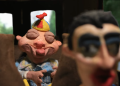
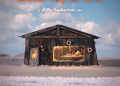
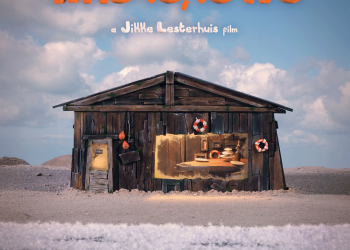
Internationally, Adam Elliot’s Memoir of a Snail blends humor and heartbreak in the Australian director’s signature clay style, while the late Aria Covamonas leaves behind The Great History of Western Philosophy, a surrealist stop-motion satire that fuses philosophy with pop culture. Family-oriented works like Hola Frida and Tales from the Magic Garden further demonstrate stop-motion’s capacity to speak to all ages without condescension.
Together, these films showcase the versatility of the medium — historical biography, social commentary, whimsical fables — proving that stop-motion is not niche, but universal.
Looking to the Future
If stop-motion grounds us in tactile craft, Fantoche 2025 also looks boldly forward. Science fiction dominates this year’s program, reflecting anxieties and hopes in a world shaped by climate change and technological disruption. Arco, winner at Annecy, explores friendship across time; ChaO brings mermaid royalty into the fluorescent world of office work; while the anarchic Night of the Zoopocalypse and satirical Lesbian Space Princess inject absurd comedy into dystopian futures.
Elsewhere, films like Le parfum d’Irak and Jinsei turn their gaze inward, questioning history, celebrity, and personal identity. Whether through surreal stop-motion or hand-drawn intimacy, the theme of work — both literal and emotional — permeates the lineup.
A Festival in Transition
With its Oscar-qualifying recognition, Fantoche has secured its place on the international animation map. But more than a launchpad, it is a mirror: reflecting the challenges artists face, the questions societies wrestle with, and the ways animation continues to reinvent storytelling.
In celebrating both the craft of stop-motion and the urgency of contemporary themes, Fantoche 2025 reminds us that animation is not just entertainment. It is labor, it is history, and above all, it is imagination at work.
The full program is available at fantoche.ch/programme.
Article by Stop Motion Magazine