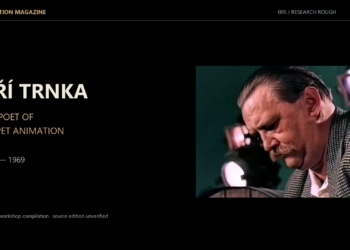
Watch the full documentary on YouTube.
A puppet pauses, turns its head, and seems to consider what happens next. Its face hardly changes, yet the gesture gives it an inner life. That expressive possibility is at the centre of Jiří Trnka: The Poet of Puppet Animation, the fifth film in Stop Motion Magazine’s documentary series.
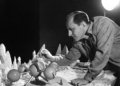
The eleven-minute documentary follows Trnka across theatre, illustration, drawn animation, and puppet cinema. Film excerpts and archival images connect the finished performances to the artist’s drawings, scenic imagination, and studio practice.
From the puppet stage to the screen
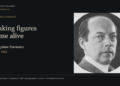
Trnka’s visual language developed long before his celebrated features. Born in Plzeň, he studied drawing with Josef Skupa, who brought him into the city’s puppet-theatre world. Trnka completed his studies at Prague’s School of Applied Arts in 1935 and subsequently ran his own Dřevěné divadlo, or Wooden Theatre. His work with director Jiří Frejka at the National Theatre joined pictorial invention to the practical demands of a stage: figures had to read across a space, and scenery had to support the drama. [1]
Books remained another setting for that imagination. In The Garden, which Trnka both wrote and illustrated, five boys enter a mysterious garden inhabited by a dwarf and a troublesome cat. The meeting of words, characters, and richly imagined surroundings offers another way into his storytelling. [2]
More than one kind of animation
The documentary includes his early drawn films as well as the puppet work. Grandpa Planted a Beet (1945) and The Animals and the Brigands (1946) reveal a career already moving between folk narrative and graphic invention. The Merry Circus (1951) uses cutout animation; it is a different film from Hurvínek’s Circus (1955), co-directed with Stanislav Látal. Keeping that distinction matters when tracing the range of techniques behind the familiar name. [3]
His features expanded that range in scale and tone. The Czech Year (1947) builds a seasonal world around village customs. Bayaya (1950) turns to fairy-tale adventure, while The Good Soldier Švejk brings a satirical edge. In A Midsummer Night’s Dream (1959), bodies, colour, scenery, and movement shape an elaborate Shakespearean fantasy. [4]
A performance made from small decisions
Watch the relationship between a puppet’s head and shoulders, then the pause before its next movement. A lowered gaze can seem reluctant; the same face turned toward the light can appear newly alert. The documentary’s excerpts invite that close attention. The sets are equally active: foreground shapes, painted distance, and the placement of the performer determine where the eye travels.
This was a collaborative cinema. Screenwriter Jiří Brdečka and composer Václav Trojan were recurring creative partners, while animators, puppet makers, camera crews, and other studio artists carried the work into motion. [3] Kihachirō Kawamoto’s account of visiting Prague in 1963 is especially revealing: he described learning through observation and contact with the studio’s workers as well as his encounters with Trnka. [5]
The artist and the hand
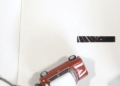
The Hand (1965) concentrates the conflict into an intimate space. A small artist faces a dominating hand that insists on directing his work. The Czech National Film Archive identifies the film as an allegory against oppression and the power that deprives people of freedom to work and live. Its credits name Trnka as director, writer, and designer, with cinematography by Jiří Šafář, editing by Hana Walachová, and music by Trojan. [6]
Seen beside the earlier fairy tales and theatrical designs, the film gives the documentary’s central idea a sharper edge. These crafted figures can carry delight, doubt, fear, and resistance. Look closely at the moment a puppet hesitates: the smallest adjustment can become the clearest expression of a character’s will.
Images from the films
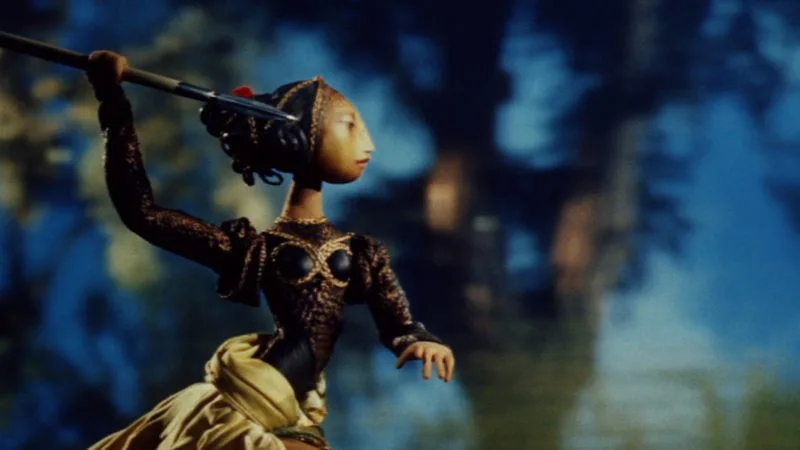
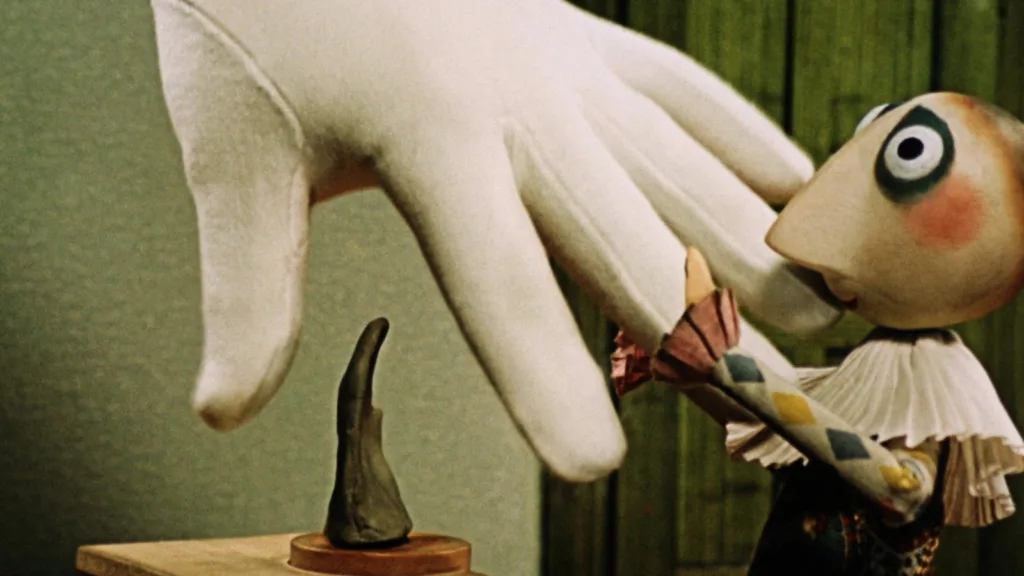
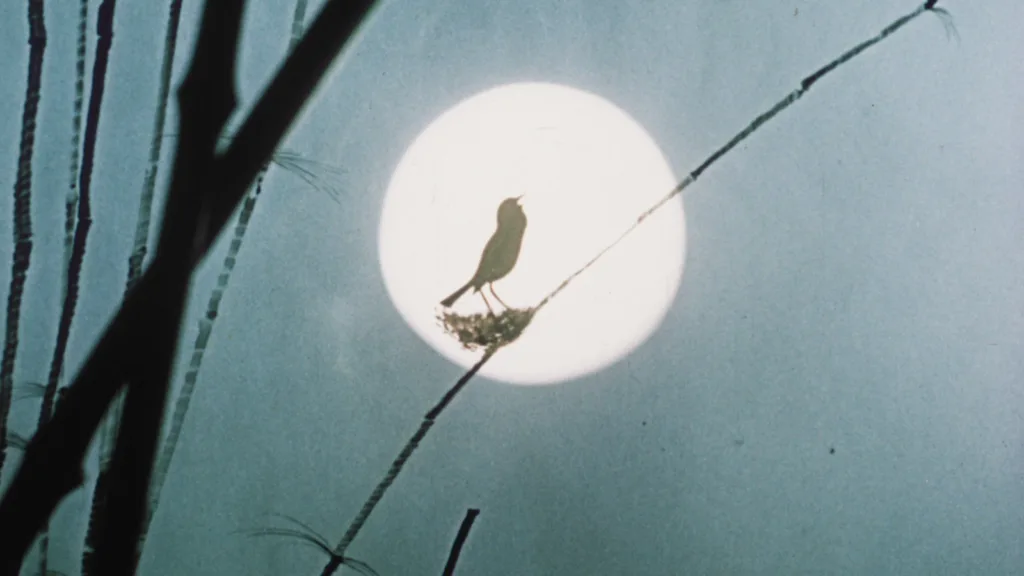
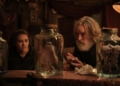
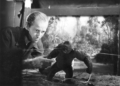
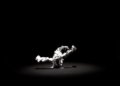
A Midsummer Night’s Dream, The Hand, and The Emperor’s Nightingale. Film stills: Czech National Film Archive, via Film at Lincoln Center’s Trnka retrospective publicity materials. [3]
Documentary: Stop Motion Magazine
Narration: John A Spigler Ikuma
Music by Mercury Waffle.
Archival sources and image credits appear throughout the film.
References
- National Theatre, Prague — Jiří Trnka: biography.
- Studio Trnka — Zahrada (The Garden).
- Film at Lincoln Center — The Puppet Master: The Complete Jiří Trnka, programme and film credits.
- Film at Lincoln Center — The Puppet Master: feature-film retrospective.
- Midnight Eye — Kihachirō Kawamoto interviewed by Jasper Sharp, 29 November 2004.
- Czech National Film Archive — Ruka (The Hand): synopsis and credits.