A cassette, a telephone, and the surfaces of a desk can carry the atmosphere of a particular time without a character explaining it. Director Misha Klein’s stop-motion work for Eric Clapton’s The Call builds its imagery around familiar objects and the way light settles on them. The director’s cut above invites a close look at a world in which an everyday object can become a small cinematic event.
Photographing a remembered atmosphere
Klein worked with cinematographer Matt Hazelrig on a three-week shoot with a small crew. The visual references included the opening titles of To Kill a Mockingbird, designed by Stephen Frankfurt, and the feel of Super 8 imagery. Objects associated with the 1980s helped establish the scene’s period character. [1]
Much of the atmosphere was created at the camera. Bridal veil material behind the lens and filtration in front altered the image, while layers of plastic foliage were animated to produce shifting patches of light. The production used 12-frame-per-second animation and shallow focus as part of its visual approach. [1]
Objects seen at intimate scale
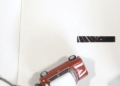
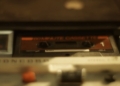
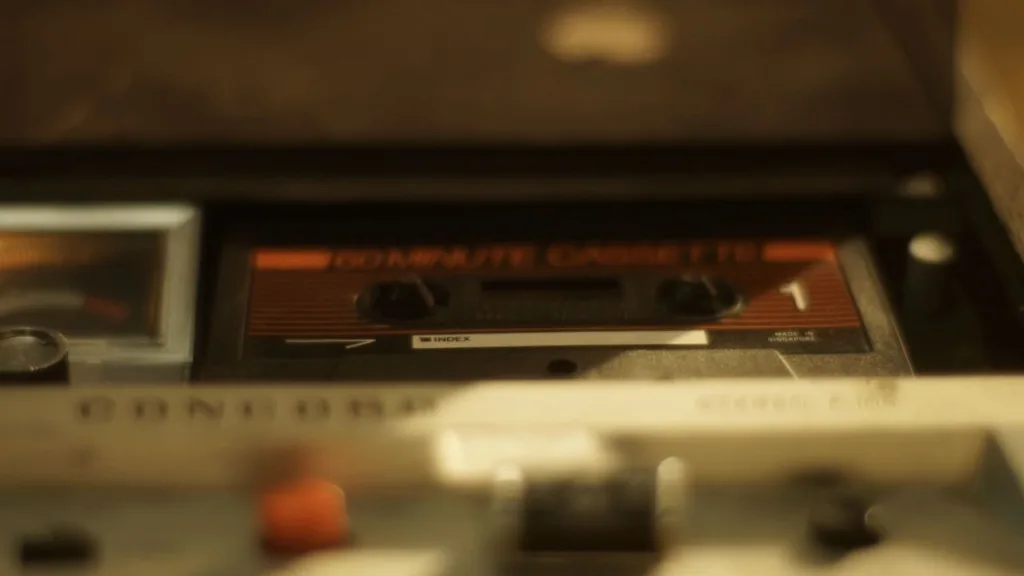
The close view of the cassette is revealing. Its hard rectangular form is softened by the narrow focus and warm illumination, turning a familiar manufactured object into something more private and suggestive. Details emerge selectively, with the surrounding blur giving the eye a clear place to rest.
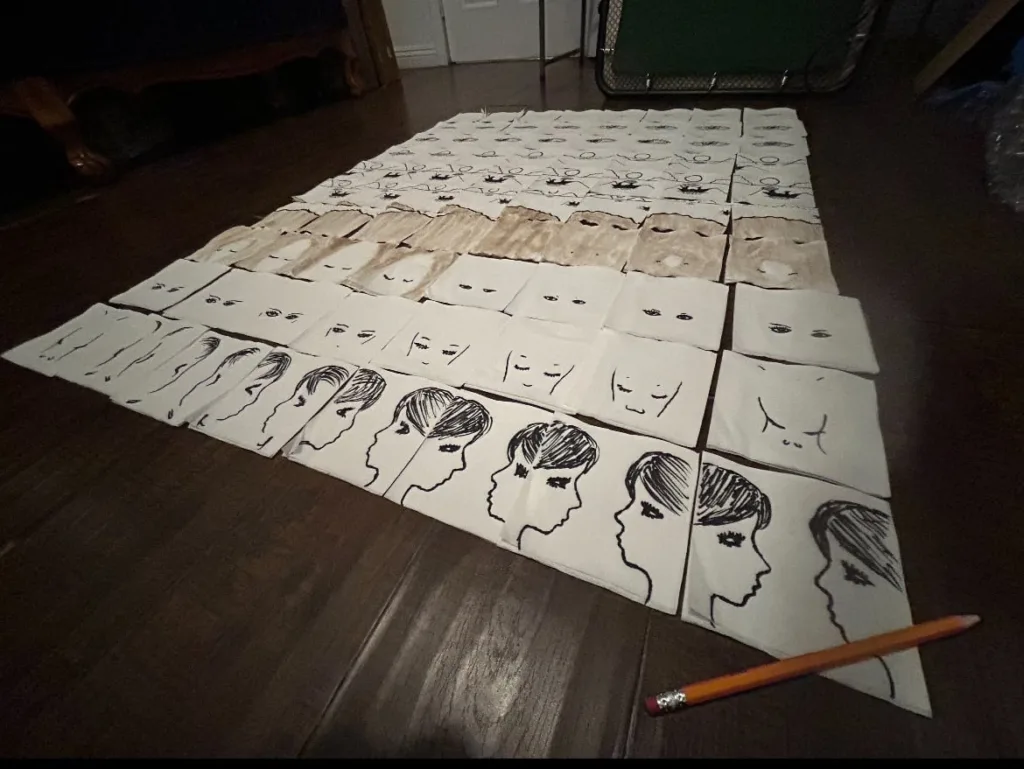
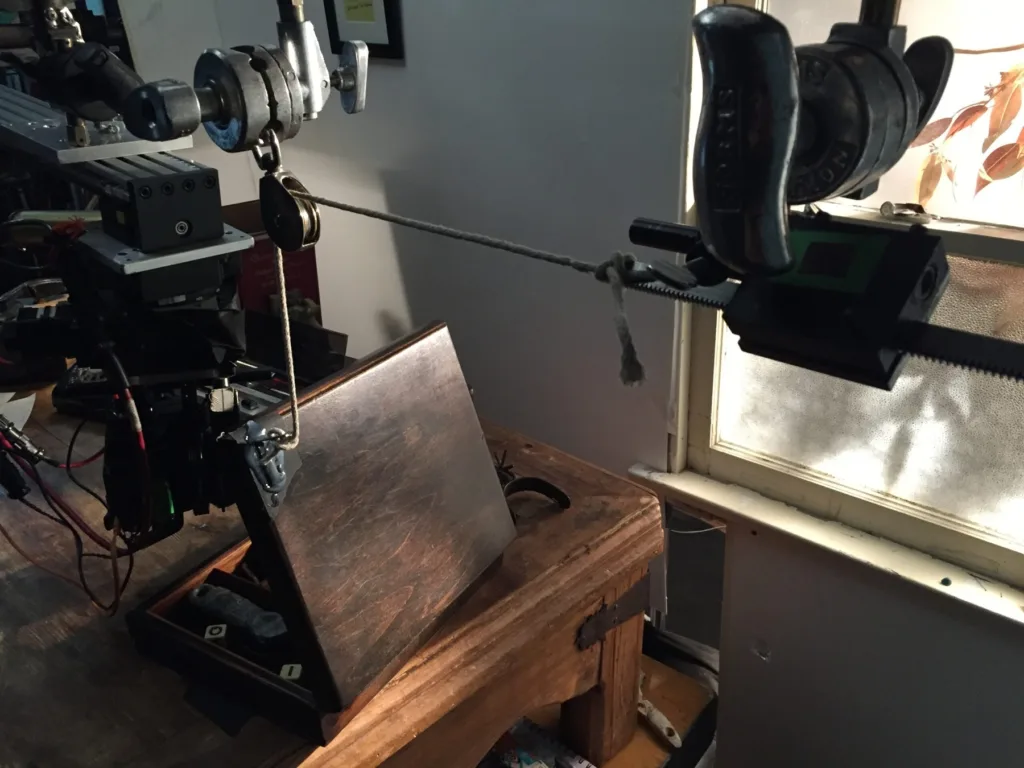
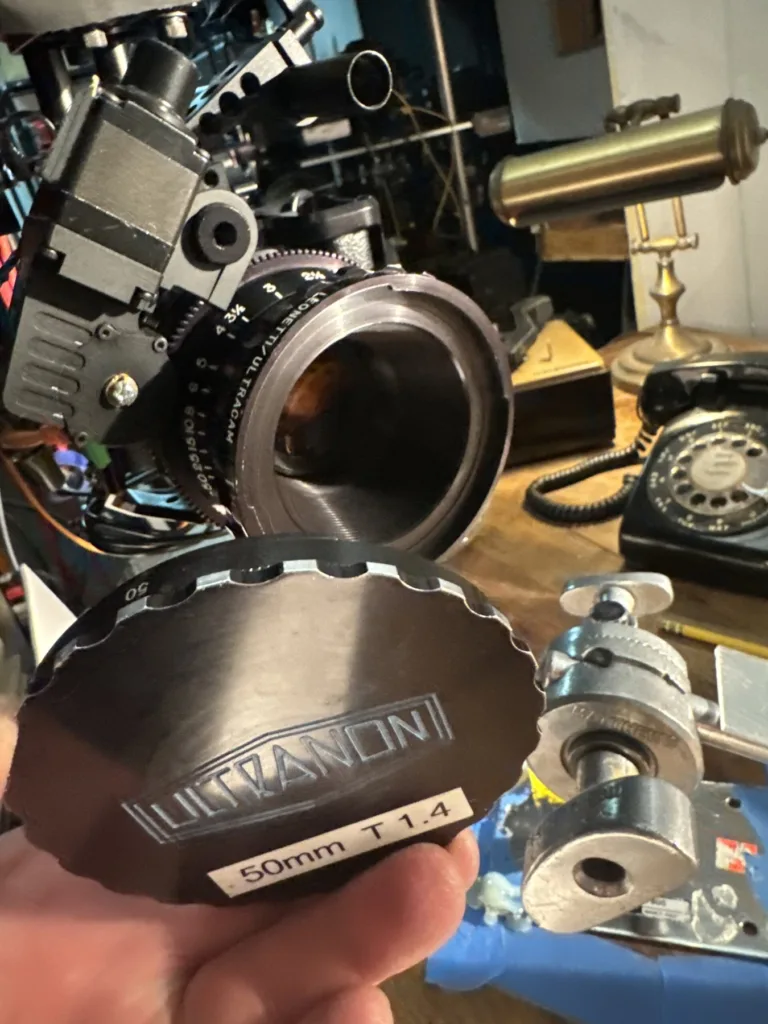
The workshop photographs make that selectivity tangible. Camera equipment crowds around a relatively modest set, while the storyboard pages spread the planned images across a much larger surface. The contrast between the compact photographed world and the machinery around it is a useful reminder of how deliberately an apparently natural view is constructed.
The film’s interest is in more than the movement of props. It treats illumination, focus, and optical softness as active ingredients in the animation’s emotional tone. The result gives the objects room to suggest memory without requiring them to become cartoon personalities. For a music video, that restraint leaves space for the song while still offering a distinctive visual experience.
Images from the production
Director’s-cut frame capture and production photographs: Misha Klein. Cinematography: Matt Hazelrig.