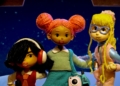
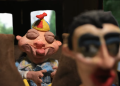
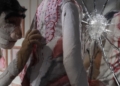
The Flesh Dress — official BIFFF trailer. Watch on YouTube.
A tailor’s work involves shaping cloth around a body. In The Flesh Dress, that everyday relationship becomes the starting point for something deeply unsettling. Directed by Joachim Hérissé and co-written with Emma Degoutte, the French stop-motion short turns a fear of aging into a story in which artistic ambition, affection, and possession become dangerously difficult to separate.
The film follows Jean, an elderly dressmaker who cannot accept the passing of his youth. His wife Jeanne continues working beside him, while the designs that once defined their lives belong increasingly to another time. A macabre turn in their relationship provides the inspiration for a new garment. The resulting creation promises renewal, but carries a terrible cost. The synopsis and credits identify the roughly fifteen-minute film as a Komawé production, produced by Stéphanie Launay and distributed by Miyu. [1]
When fabric becomes a body
Textile artist Aline Bordereau’s original puppets sit at the heart of the film’s visual identity. Hérissé describes physical animation as a means of expressing bodily anxiety that he struggles to put into words. He connects the story’s fear of aging with patterns of domination, including the uncomfortable power a creator can exert over others. [2]
That relationship gives the medium a specific dramatic purpose. The fabric is both the material of the characters and the substance of the tailor’s occupation. Seams, folds, and stretched surfaces can suggest the vulnerability of a body without losing the visible evidence that someone made these figures by hand.
Planning the camera, building the world
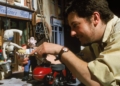
Hérissé also explains that he develops framing, camera movement, and editing in a real-time 3D animatic before shooting. This preparation gives the physical animation a carefully planned cinematic structure. The making-of footage below opens up that process, showing miniature interiors, support rigs, and the camera working close to the puppets. [2]
Production notes place the shoot at Motion Lab in Nantes and post-production at L’Incroyable Studio. The animation credits identify an animation team including Billitis Levillan, Marjolaine Parot, Héloïse Petel, and Goulwen Merret, with music by Antoine Duchene. [3] [4]
The unsettling force of this approach lies in how closely the story’s central craft resembles the filmmakers’ own work. Both involve constructing a body, dressing it, and giving it a presence. The Flesh Dress uses that connection to ask what happens when the wish to preserve beauty becomes a refusal to let another person go.
Behind the scenes
The Flesh Dress — behind the scenes. Watch on YouTube.
Images from the production
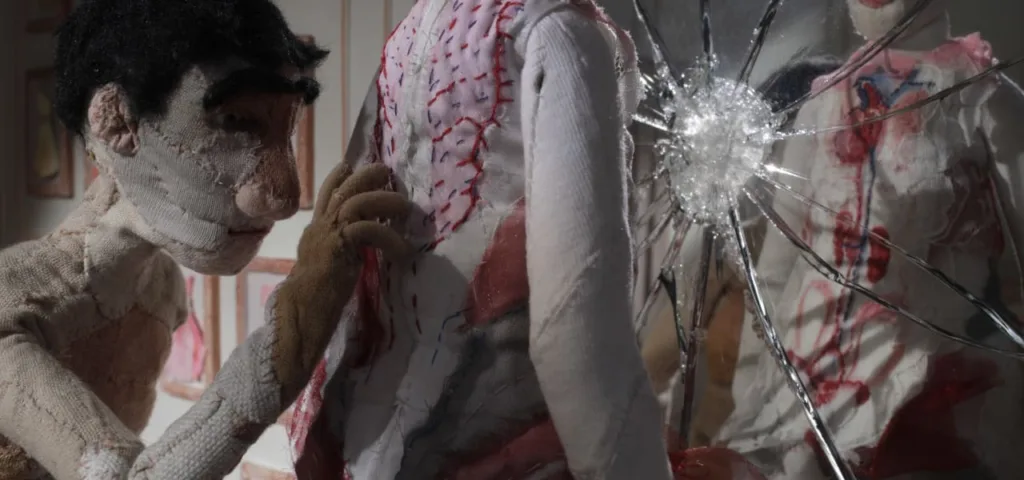
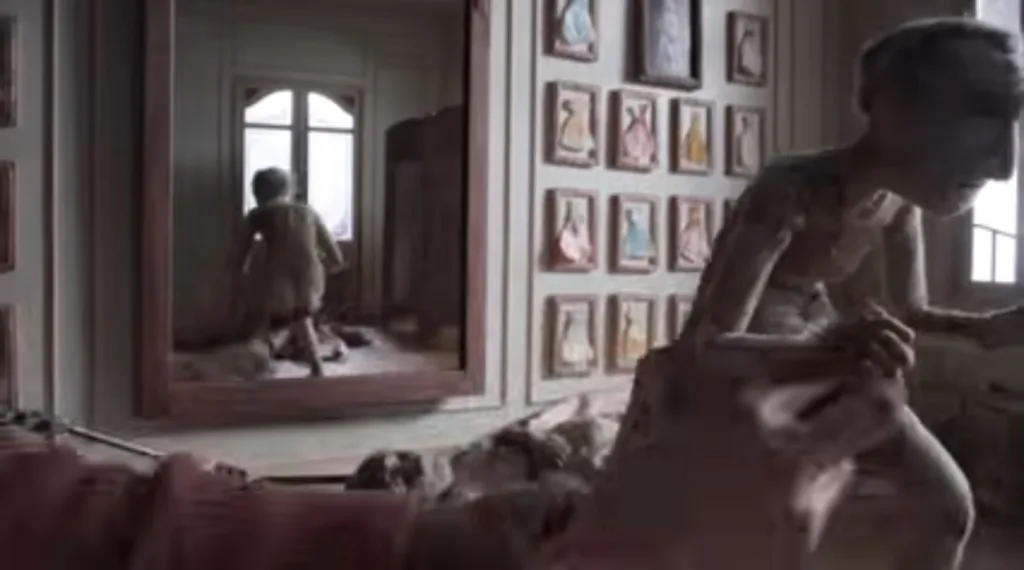
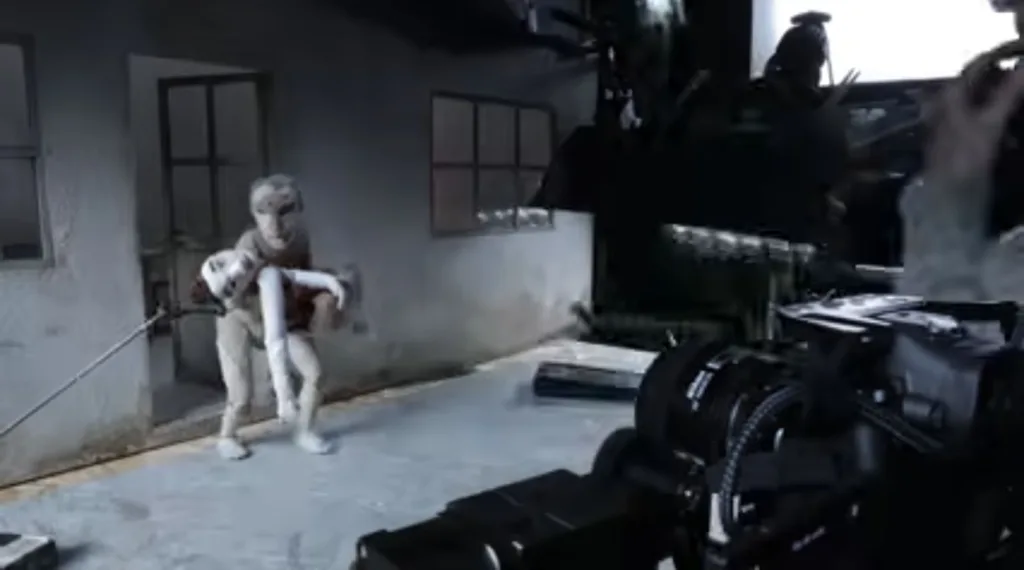
The Flesh Dress: film imagery © Komawé. Making-of frame captures from the production video. [2]
References
- BIFFF — BIFFF synopsis and credits.
- Cartoon Brew — Production interview and accompanying imagery.
- NEF Animation — NEF Animation's production notes.
- StopTrik — StopTrik credits.